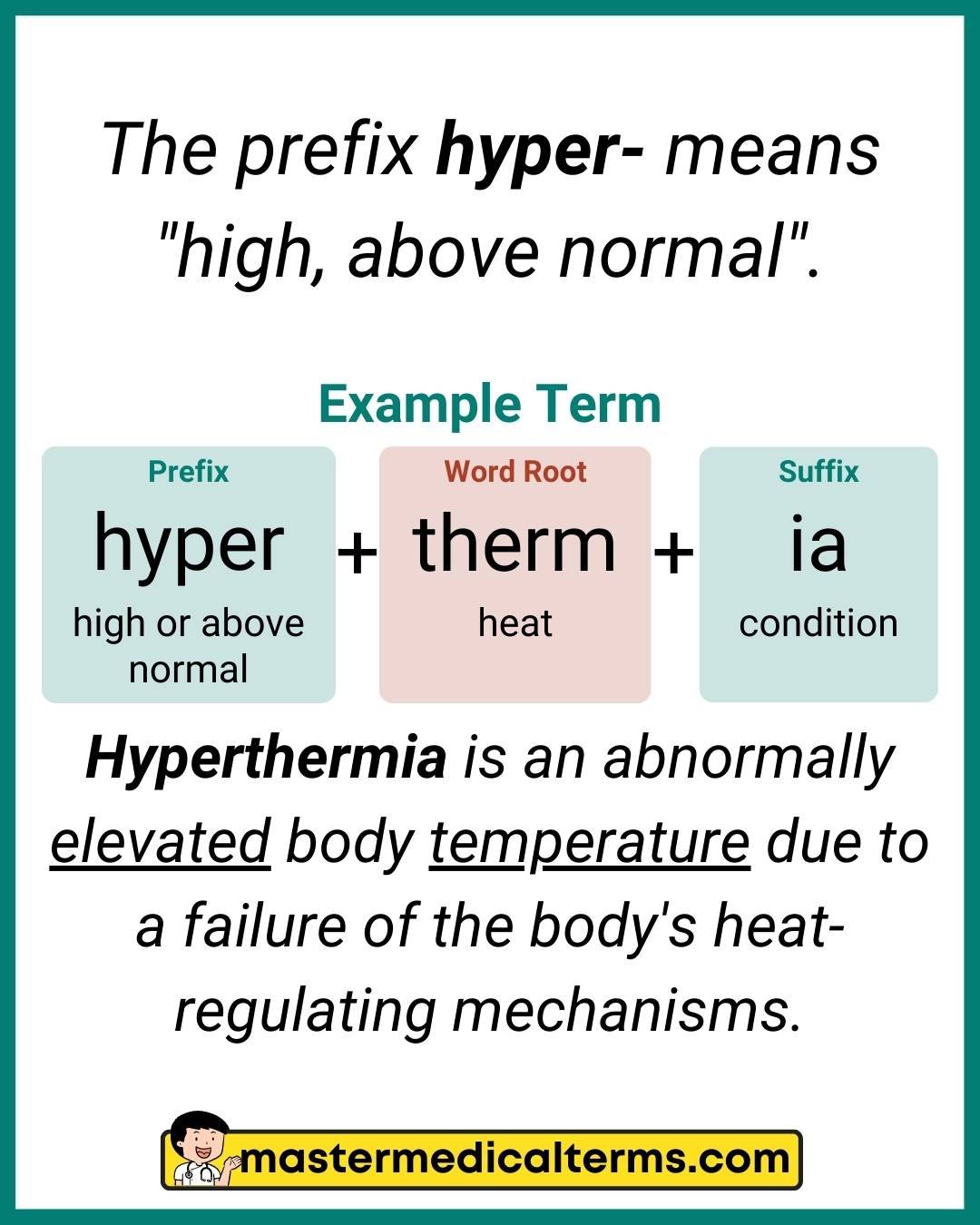
A “hyper medical term” may leave you bewildered with its complexity. Confusing jargon often clouds the world of medicine, making it daunting for many. But fear not! Unraveling the mystery behind these terms is simpler than you think. Understanding their roots and breaking down the components can demystify even the most perplexing medical terminology. By diving into the essence of these hyper terms, you’ll unlock a world of medical knowledge that empowers you to take control of your health. Let’s embark on a journey to decode the language of medicine together.

Exploring Hyper Medical Terms: Understanding the Language of Health
Introduction to Hyper Medical Terms
Have you ever visited the doctor and heard some complicated medical terms that sounded like a different language? Well, those are what we call “hyper medical terms.” These words may seem intimidating at first, but they hold the key to understanding our health and well-being. In this blog post, we will dive into the world of hyper medical terms to unravel their meanings and demystify the language of health.
What Are Hyper Medical Terms?
Hyper medical terms are specialized words used in the field of medicine to describe various conditions, diseases, procedures, and treatments. They are often derived from Latin or Greek roots, making them sound complex and unfamiliar to many people. However, once you break down these terms into their basic components, you can start to make sense of them.
Decoding Hyper Medical Terms
Let’s break down a common hyper medical term: “hyperglycemia.” The word “hyper” means high or excessive, and “glycemia” refers to glucose in the blood. So, when we put these parts together, hyperglycemia simply means high blood sugar. See, it’s not so complicated once you understand the parts that make up the term!
Common Hyper Medical Terms You Should Know
Hypertension
One of the most prevalent hyper medical terms is “hypertension.” The prefix “hyper” means high, and “tension” refers to pressure. Therefore, hypertension is a condition characterized by high blood pressure. It is essential to monitor and manage hypertension to prevent serious health complications.
Hyperthyroidism
Another common hyper medical term is “hyperthyroidism.” The prefix “hyper” means overactive, and “thyroid” refers to the gland in our neck that produces hormones. Hence, hyperthyroidism is a condition where the thyroid gland is too active, leading to an overproduction of thyroid hormones. This can result in symptoms such as weight loss, increased heart rate, and anxiety.
Why Do Doctors Use Hyper Medical Terms?
Doctors use hyper medical terms for precision and clarity in communication. These terms provide specific descriptions of conditions and treatments, helping healthcare professionals to convey information accurately. While hyper medical terms may sound intimidating, they serve a crucial purpose in the medical field.
Understanding Hyper Medical Terms in Everyday Life
You may encounter hyper medical terms not only at the doctor’s office but also in everyday life. For example, when reading articles about health or watching medical shows, you might come across terms like “hyperlipidemia” (high cholesterol) or “hyperhidrosis” (excessive sweating). By familiarizing yourself with these terms, you can better understand discussions about health and wellness.
Tips for Learning Hyper Medical Terms
– Break down the terms into smaller parts and look up their meanings.
– Use online resources and medical dictionaries to expand your vocabulary.
– Practice using hyper medical terms in context to reinforce your understanding.
– Ask your healthcare provider to explain any terms you don’t understand during medical appointments.
The Importance of Health Literacy
Health literacy, or the ability to understand and use health information effectively, plays a vital role in managing one’s well-being. By learning about hyper medical terms and improving your health literacy, you can become an empowered advocate for your own health. Remember, knowledge is power when it comes to taking care of yourself.
Conclusion: Embracing Hyper Medical Terms
In conclusion, hyper medical terms may appear daunting at first, but with a little bit of curiosity and effort, you can unravel their meanings and enhance your health literacy. By breaking down these terms and understanding their components, you can navigate conversations about health with confidence and clarity. So, the next time you hear a complex medical term, remember that it’s just a puzzle waiting to be solved!
Exploring hyper medical terms is an exciting journey that opens up a world of knowledge and empowerment. By delving into the language of health, you equip yourself with valuable tools to make informed decisions about your well-being. So, embrace the challenge of learning hyper medical terms, and let your curiosity lead you to a deeper understanding of your health.
Hyper- and Hypo-| Medical Terminology | English
Frequently Asked Questions
What is hyper medical term?
Hyper medical term is a prefix used in medical terminology to indicate an excess or exaggerated state. It is often used to describe conditions or symptoms that involve an increase or overactivity in the body.
How is the prefix ‘hyper-‘ used in medical terms?
The prefix ‘hyper-‘ is used in medical terms to denote an excess or overabundance of a particular condition or function in the body. For example, hyperactivity refers to excessive levels of activity, while hypertension signifies high blood pressure.
Can you provide examples of medical terms with the prefix ‘hyper-‘?
Sure! Some common medical terms with the prefix ‘hyper-‘ include hyperthyroidism (overactive thyroid gland), hyperglycemia (high blood sugar levels), and hyperlipidemia (elevated levels of fats in the blood).
What are some symptoms associated with conditions using the prefix ‘hyper-‘?
Symptoms of conditions with the prefix ‘hyper-‘ can vary depending on the specific condition. Common symptoms may include increased heart rate, excessive sweating, weight loss, nervousness, and elevated levels of certain substances in the blood.
Final Thoughts
In conclusion, navigating the world of medical terminology can be overwhelming, especially with the prevalence of hyper medical terms. Simplifying complex terminology is crucial for effective communication between healthcare professionals and patients. By promoting clarity and understanding, we can enhance patient outcomes and promote better health literacy. Embracing plain language communication while not compromising accuracy is key to breaking down barriers and improving healthcare experiences for all.
About the Author