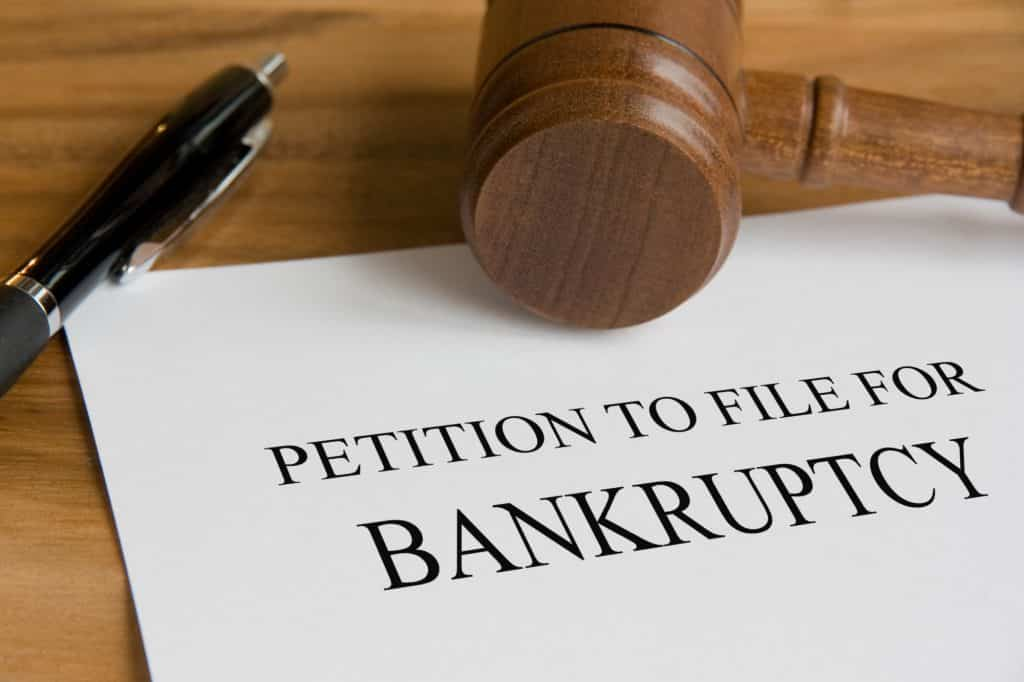
If you are struggling with student loan debt, it is important to understand your options. Although bankruptcy can provide significant relief, it is not an option for everyone. It can have serious, negative long-term consequences and is expensive and time-consuming to file. For these reasons, it is important to explore other solutions first.
While unsecured debts like credit card and medical bills can be discharged through bankruptcy, student loans are not generally eligible for discharge. In order to get rid of your student loans through bankruptcy, you must demonstrate undue hardship. This requires filing an adversary proceeding, a lawsuit within your bankruptcy case that outlines how repayment of your student loans will cause undue hardship for you and your family. This is a very complicated process, and it is essential to work with an experienced bankruptcy attorney near mewhen pursuing student loan discharge.
In order to prove that you cannot repay your student loans, you must show that it would be impossible for you to maintain a minimal standard of living for yourself and your family without the financial assistance from the government. To prove this, you must provide evidence such as income and expense documents, witness testimony, expert reports, and other financial records.
Moreover, you must also demonstrate that your financial situation is likely to persist for a substantial portion of the repayment period. This is a very vague standard that can be difficult to meet, especially when it comes to student loans. In addition, the court will consider whether your current payment is affordable and if you are working to repay your student loans in good faith.
Filing for bankruptcy can be expensive, and you must pay filing fees and an attorney. These costs can add up quickly, making bankruptcy an unattractive option if you already struggle with high levels of student debt. Furthermore, bankruptcy can damage your credit score, and if you are filing Chapter 13 bankruptcy, your student loan payments will be part of the plan.
Before you decide to file for bankruptcy, it is important to explore alternatives and restructure your debt. There are a number of strategies available to manage student loan debt outside of bankruptcy, including income-driven repayment plans and forgiveness programs like Public Service Loan Forgiveness. You can find out what types of federal student loans you have by visiting the National Student Loan Data System.
Cain & Herren, ALC
2141 W Vineyard St, Wailuku,
HI 96793, USA
+1 (808) 242 9350
cainandherren.com
About the Author