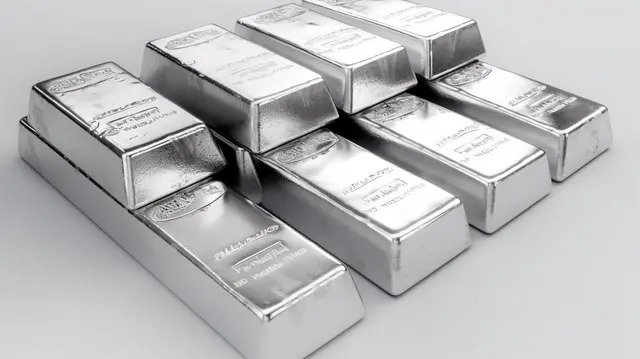
Physical silver can be a practical option for investors who want to hold a tangible precious metal as part of their portfolio. However, selecting the right bar requires careful consideration rather than simply choosing based on price or weight. Factors such as purity, manufacturer, authenticity, bar size, market value, storage, and resale potential can influence the overall suitability of a product.
For those planning to buy silver bars, understanding these details can make the purchasing process more informed and transparent. Evaluating each factor carefully helps investors compare available options, understand associated costs, and select physical silver that aligns with their investment goals and preferred level of flexibility.
Understand Silver Purity
Purity is one of the first details to check when evaluating a silver bar. Investment-grade silver bars are generally made with high-purity silver, commonly represented by a fineness figure such as 999 or 999.9. This number indicates the proportion of pure silver contained in the bar.
A higher purity can make a bar more suitable for investors seeking direct exposure to silver prices. Before purchasing, check whether the purity is clearly stated on the product and supporting documentation. The information should be consistent across the bar, packaging, and product description where applicable.
Check the Weight of the Bar
Silver bars are available in several weights, allowing investors to choose according to their budget and objectives. Smaller bars may provide greater flexibility because they can be easier to purchase or sell individually. Larger bars, meanwhile, may offer a more efficient price per gram because fabrication and distribution costs can represent a smaller proportion of the overall purchase.
Before selecting a weight, consider how much capital you want to allocate to physical silver and how easily you may want to liquidate portions of your holdings later.
Compare the Silver Price With the Total Cost
The market price of silver is an important reference point, but it is not necessarily the final amount you will pay for a physical bar. The purchase price can include manufacturing, distribution, dealer margins, packaging, and other applicable costs.
For example, someone researching the 1kg silver bar price in Dubai should compare the quoted price with the prevailing silver market value and understand what is included in the final amount. Looking only at the headline price can make comparisons between different products less meaningful.
Verify the Manufacturer or Refinery
The producer of a silver bar can influence its recognition and resale appeal. Established refineries and recognized manufacturers generally provide clear markings showing information such as weight, purity, brand identification, and sometimes a serial number.
Before buying, research the manufacturer and check whether the product carries appropriate identification or certification. A clearly identifiable origin can make it easier to verify the bar and provide relevant information when reselling it.
Look for Authentication Details
Authenticity is essential when purchasing physical precious metals. A legitimate silver bar should have identifiable characteristics that allow its specifications to be checked.
Depending on the product, these may include:
- Manufacturer or refinery markings
- Weight
- Purity or fineness
- Serial number
- Assay information
- Secure packaging
- Supporting documentation
Buyers should also understand how authentication is handled by the seller. Clear product information and professional assistance can make the purchasing process easier, particularly for people buying physical silver for the first time.
Evaluate Market Pricing
Silver prices can change because of factors such as industrial demand, investment activity, currency movements, interest rates, economic expectations, and broader precious metal market conditions.
For this reason, buyers should review current market information before purchasing physical silver. Monitoring the spot price can help establish a reference point, while comparing physical products helps explain the difference between the market value of silver and the retail price of a finished bar.
A disciplined approach involves comparing multiple products rather than making a decision based on one quoted price.
Think About Liquidity and Resale
Physical investment is not only about purchasing an asset. Investors should also consider how they might sell it in the future.
Well-recognized silver bars with clear weight, purity, and manufacturer information may be easier for potential buyers or dealers to evaluate. Smaller denominations can provide flexibility when selling part of a holding, while larger bars may be suitable for investors looking to hold a greater quantity in a single unit.
Consider your potential exit strategy before deciding which bar size is appropriate.
Consider Storage and Security
Once purchased, physical silver needs suitable storage. Although silver does not require the same storage considerations as many other physical assets, valuable quantities should still be protected against theft, damage, and unnecessary exposure.
Investors can consider secure home storage, professional vaulting, or other appropriate security arrangements depending on the amount held. Insurance requirements should also be reviewed where relevant.
Storage costs should be considered as part of the overall investment rather than treated as a separate issue.
Review the Seller’s Buying Process
The seller is another important factor to evaluate. A reliable purchasing platform should provide clear product information, pricing details, customer support, and policies relating to orders and delivery.
An online precious metals platform can also make it easier to browse different products and compare available weights. The website reviewed for this article provides product categories, market insights, specialist assistance, online purchasing, and a dedicated mobile application.
Professional assistance can be particularly useful when buyers need clarification about purity, bar specifications, pricing, or the purchasing process.
Conclusion
Choosing the right silver bar requires careful attention to purity, weight, authenticity, manufacturer, pricing, packaging, resale potential, and storage. Comparing these factors before buy silver bars can help investors understand the true value of a product and make decisions aligned with their financial goals. Keeping proper records and monitoring silver market movements can further support responsible physical silver investment.
For buyers seeking reliable precious metal options and convenient purchasing support, Spike Gold offers a convenient platform for purchasing physical precious metals, including silver bars, silver coins, gold bars, and gold coins. They provide access to diverse bullion products, market insights, online purchasing, and specialist assistance. Their services help customers explore precious metal options, understand product details, compare choices, and make informed purchasing decisions with greater confidence and convenience.
About the Author